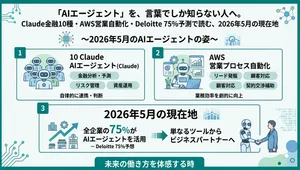
Anthropic Opens the 'Cloud for Agents.' Where Business Automation Stands Now with Claude Managed Agents
Anthropic's newly announced Claude Managed Agents is starting to break down the '95% wall' that blocks enterprise AI agent adoption. Here's a rundown of deployments at Notion, Rakuten, and Asana, plus what non-engineers should do this week to prepare.
What you'll learn in this article
- Where pricing and adoption questions around Claude Code stand right now
- Which plan or rollout stage fits the reader's situation
- Which follow-up article to open next for setup, cost, or bigger-picture context
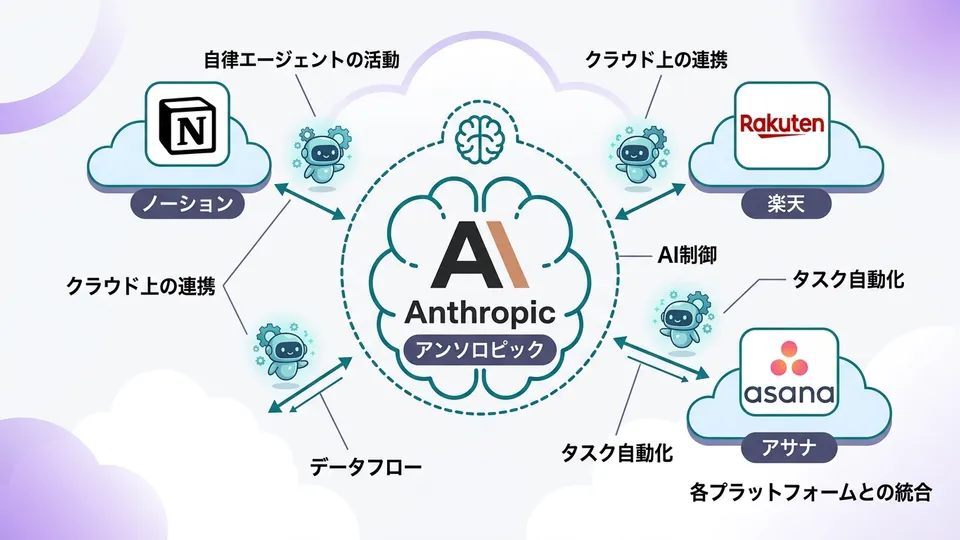
Why 95% of AI Agents Stall
More and more people are getting curious about AI agents.
Beyond just asking ChatGPT or Claude questions, handing over entire tasks and letting them run autonomously — that kind of usage is starting to spread.
An AI agent is an AI that takes a task you hand it and carries it through to completion on its own, without you having to issue every instruction. Where a chat AI is something that “answers when asked,” an agent is something that “thinks and acts on its own when entrusted.” I personally run autonomous workflows every day combining Claude Code with MCP servers — gathering research, reviewing articles, tracking task progress. It’s a setup that keeps moving even while I sleep.
On the other hand, when companies try to deploy this in earnest, most projects stall partway through. That’s the reality.
A study from MIT (Massachusetts Institute of Technology) put out a striking number. Of enterprise AI pilot projects, 95% are failing to scale (Fortune, August 2025).
The cause isn’t AI performance.
What over 150 interviews and a survey of 350 employees revealed was the infrastructure wall. Building servers, configuring security, managing authentication, guaranteeing long-running stability. Even when the AI model itself is excellent, far too few companies can build the foundation to run it reliably on their own.
There’s another interesting data point. According to the MIT study, companies that bought AI tools from specialized vendors had a success rate of about 67%. Companies that built from scratch in-house had less than half that rate. The very act of “building it yourself” has become a structural risk.
“We tried an AI agent, but it stalled at the stage of putting it into production.” I’ve heard this complaint many, many times.
On April 8, 2026, Anthropic announced a service that takes that wall head-on. It’s called “Claude Managed Agents.”
In this article, I’ll lay out the big picture of Managed Agents, the deployments at Rakuten, Notion, and Asana, and what non-engineers should do this week. Around the same time, on the AI agent platform front, NVIDIA also released an open-source foundation through a 17-company alliance. Gen has a detailed comparison from a developer’s perspective (scheduled for release on 4/10) — read both together and you’ll get a much fuller picture.
What Are Claude Managed Agents? (The Big Picture in 3 Minutes)
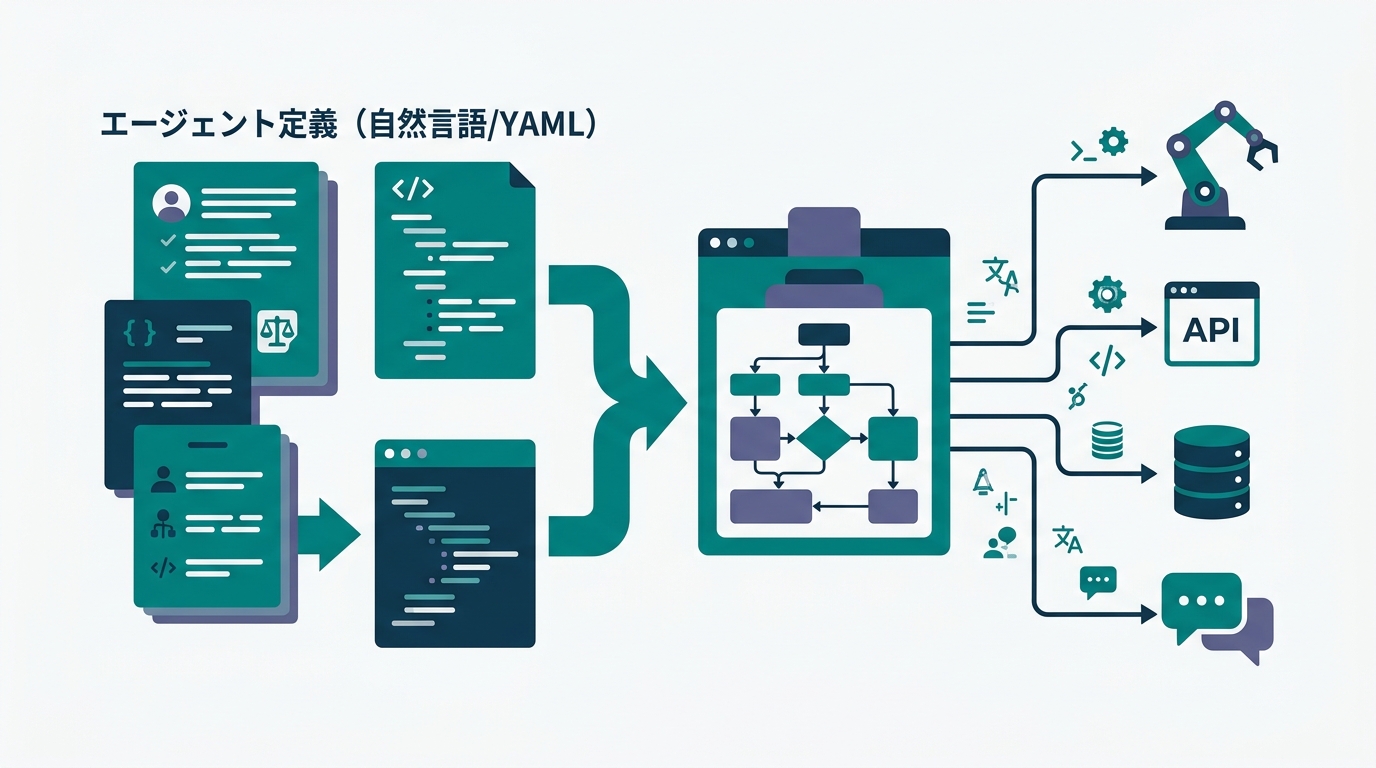
In one sentence, it’s a service where Anthropic takes over the entire infrastructure for running AI agents.
Traditionally, to run an AI agent in production, you had to spin up your own servers, configure security, and build error-recovery logic from scratch. Months of work for an engineering team.
Managed Agents provides all of that on Anthropic’s cloud.
What you do is simple. Just define what you want the agent to do, in natural language or a YAML file. No infrastructure setup required.
Here are the main features.
- Sandboxed execution: Agents run in isolated, secure environments. Even if they go off the rails, nothing else is affected
- Auto-scaling: Automatically scales as the workload grows
- Checkpointing: Saves progress on long-running tasks, so you can resume from where you left off after an interruption
- Scoped permissions: Fine-grained control over what an agent can access
- MCP (Model Context Protocol) server connectivity: Integration with external tools comes standard
What’s especially worth noting is that it’s designed for long-running workloads. Not just tasks that finish in minutes, but multi-hour data processing and report generation. The design lets you recover from a checkpoint even if the session drops.
According to Anthropic’s official blog, success rates for generating structured files improved by up to 10 points over standard prompts. In other words, when you tell an agent “build me a report under these conditions,” it’s more likely to come back in the format you asked for.
What I feel acutely from running autonomous workflows daily with Claude Code and MCP servers is that infrastructure stability is the foundation for everything. In real-world operations, an unbreakable foundation matters more than how clever the model is.
A service has arrived that says “you don’t have to build that infrastructure yourself anymore.” That’s a big deal.
Rakuten, Notion, and Asana — The Shock of Production in One Week
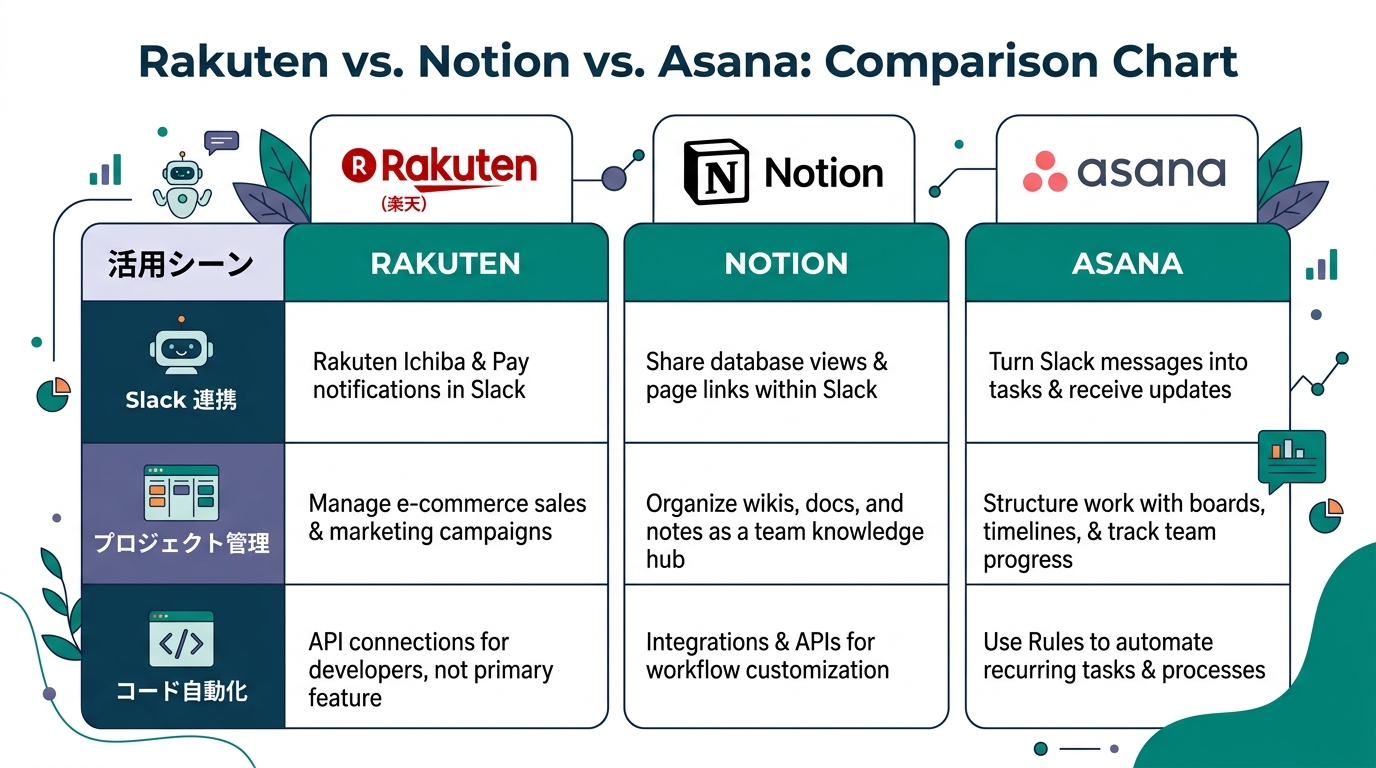
Even at the public beta stage, major enterprises are already running it in production. Let’s look at exactly what three companies are doing.
Rakuten’s case. They’ve rolled out agents across five departments: product planning, sales, marketing, finance, and HR. Each department reportedly went live in production in about a week (SiliconANGLE, April 8, 2026). The setup connects to Slack and Teams — throw a task at it and you get back spreadsheets and slide decks.
The natural question here is: “Really, one week?” Conventional wisdom said building AI agents took months. Anthropic claims it cuts time from prototype to production by 10x (Claude official blog, April 8, 2026). Rakuten’s case looks like the first piece of evidence that this 10x figure isn’t just hype.
Notion’s case. They’ve integrated it directly into the workspace as “Custom Agents” (currently in private alpha) (Anthropic official blog, April 8, 2026). Engineers write code while knowledge workers generate presentation decks and websites. The design lets teams check outputs in real time while dozens of tasks run in parallel.
Asana’s case. Their agents — branded “AI Teammates” (beta launched April 2026) — sit alongside humans in project management workflows, picking up tasks and drafting deliverables (Anthropic official blog, April 8, 2026). The development team commented that “compared to our previous approach, we can now add advanced features dramatically faster.”
Vibecode and Sentry are also among the early adopters in code automation and monitoring. What you can’t ignore is that despite spanning very different industries and use cases, all of them got into production in a short time.
What these three share is that they didn’t build agents from scratch — they embedded them inside existing workflows. Throw it into Slack. Trigger it from an Asana task board. Run it inside a Notion workspace.
Rather than “learning a brand-new tool dedicated to AI agents,” agents start to live inside the tools you already use. This design philosophy is what’s accelerating adoption.
This is where I see the essence of “the service that erases the 95% wall.” MIT pointed out that the cause of failure wasn’t model performance but infrastructure and integration. Managed Agents takes on the infrastructure and standardizes integration with existing tools via MCP. It’s going after both failure modes at once.
Roughly 12 Yen per Hour. Running the Numbers on the Cost Structure
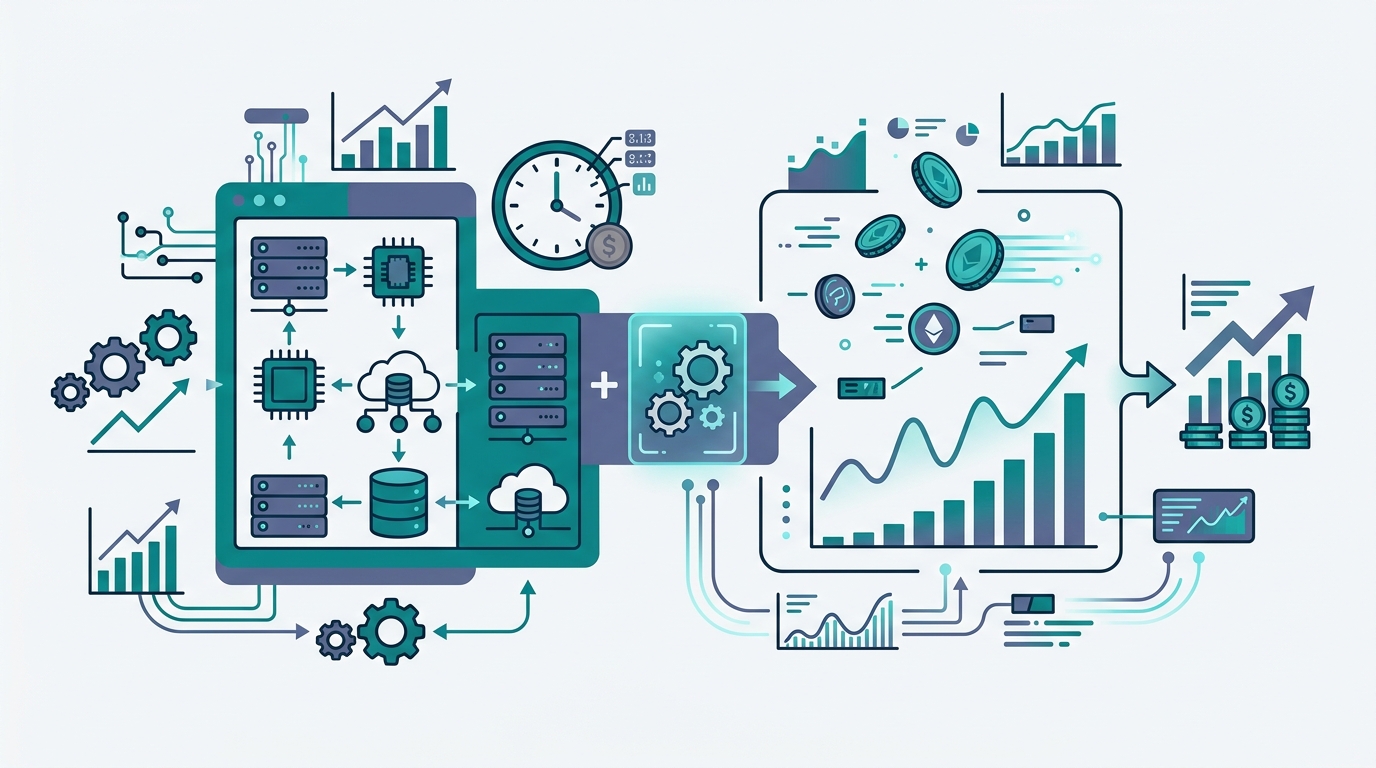
“OK, but how much does it cost?” That’s the part you really want to know.
Here’s how Managed Agents pricing breaks down. Standard Claude API token charges + $0.08 per hour of session runtime (see FindSkill.ai; for the latest information, check Anthropic’s official documentation).
$0.08 is roughly 12 yen (at 150 yen to the dollar). Twelve yen to run an agent for an hour.
One caveat though. That 12 yen is just the infrastructure fee. API charges based on how many tokens the agent processes are billed separately.
That said, when you compare it, the price is shockingly low.
Take, for example, automating a marketing report. If you hand off a weekly report that takes a human two hours to produce, the infrastructure cost comes out to about 24 yen. Even adding API charges, it’s likely to land within a few hundred yen.
Billing is metered in milliseconds, and the agent isn’t billed during idle time (waiting or stopped). You only pay while it’s actually running — the same usage-based model as the cloud generally.
Infrastructure cost was the biggest reason for the 95% failure rate in the MIT study. Standing up your own servers, tying up engineers for months, getting through security audits. Compared to that, $0.08 per hour is in a different league.
Let’s run a concrete estimate. If you hand a weekly recurring report to an agent, four times a month at one hour per run, monthly infrastructure cost is about 48 yen. Even with API charges added, many cases will land in the low thousands of yen per month. Compared to the cost of hiring someone for an hour, it’s two orders of magnitude cheaper.
Of course, run a huge volume of tasks in parallel and the bill stacks up. Estimating against your own use case before going to production is essential. Being able to validate this during the public beta is a major advantage.
A Two-Player Landscape with NVIDIA’s 17-Company Alliance — Which Foundation Should You Pick?
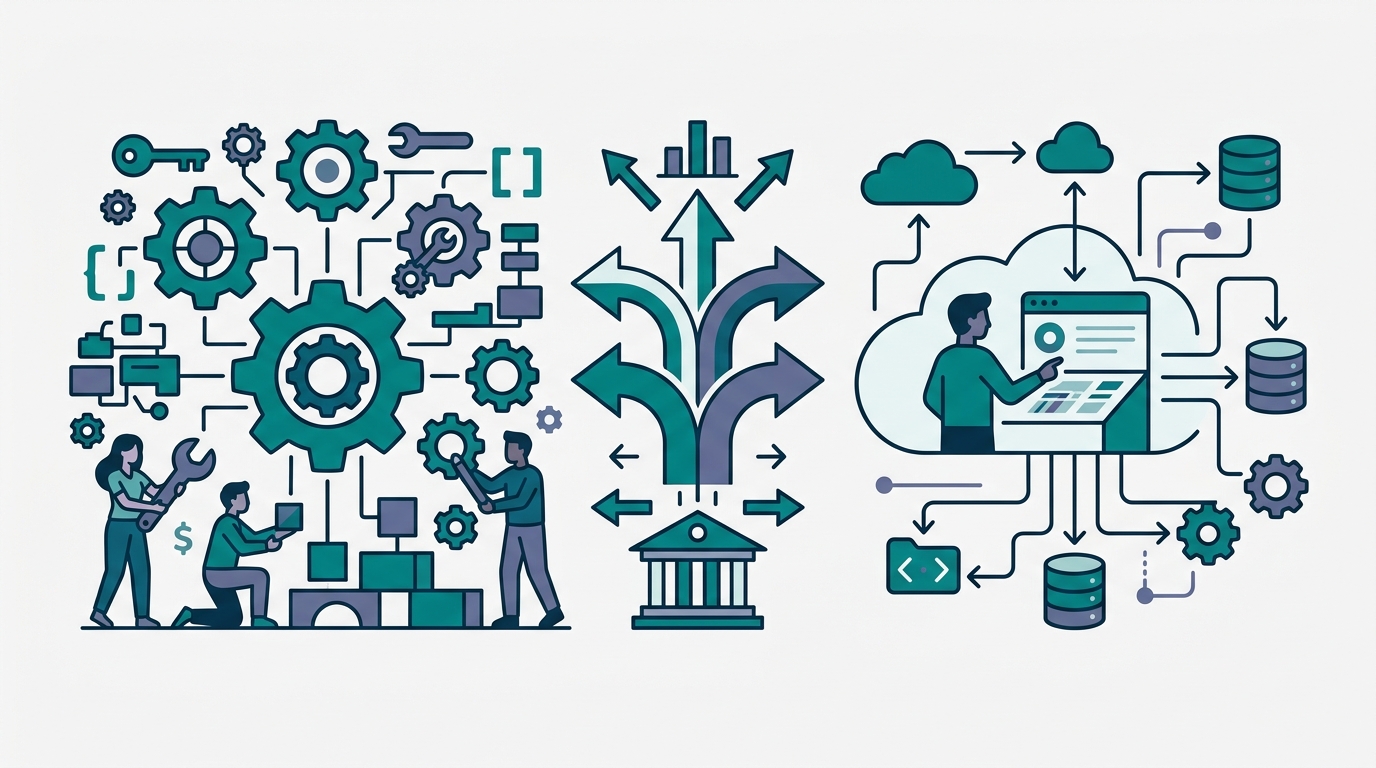
Let’s zoom out for a moment.
In March 2026, NVIDIA released the “Agent Toolkit” as open source together with a 17-company alliance (NVIDIA official). The participants include Adobe, Salesforce, SAP, and ServiceNow. For the technical details and implementation, see Gen’s article (“NVIDIA Teams Up with 16 Companies: A Developer’s View on AI Agent Foundations”, publishing 4/10).
Then on April 8, Anthropic announced “Claude Managed Agents” in public beta.
These two approaches differ fundamentally in philosophy.
NVIDIA is an open-source foundation. It publishes the blueprints, and each company customizes for its own environment. High flexibility, but building and operating it falls on you. Best suited for large enterprises with strong engineering teams.
Anthropic is a managed foundation. Anthropic takes on the infrastructure, and users focus on defining the agents. Less flexibility, but overwhelmingly better on speed and cost. Better suited for small and mid-sized companies and for marketing teams that don’t have many engineers.
There’s no “correct” answer. You pick based on your situation.
Three criteria to clarify the decision.
- Do you have plenty of engineering resources? → If yes, NVIDIA. If not, Managed Agents
- Do you need deep customization? → If you have proprietary models or specific security requirements, NVIDIA
- Is speed the priority? → If you want something running this month, Managed Agents
Gartner predicts that by the end of 2026, 40% of enterprise applications will incorporate AI agents (Gartner, August 2025). Given that this was under 5% as of 2025, it’s an 8x jump in adoption within the year.
What I find interesting is that these two could be complementary, not competitive. NVIDIA Agent Toolkit is designed to be LLM-agnostic, so you can run Claude models on top of it. Conversely, you can imagine a configuration where Managed Agents runs through NVIDIA hardware infrastructure.
We’re heading into an era of “use the right one for the job,” not “pick one and stick with it.”
Three Things Non-Engineers Should Do This Week
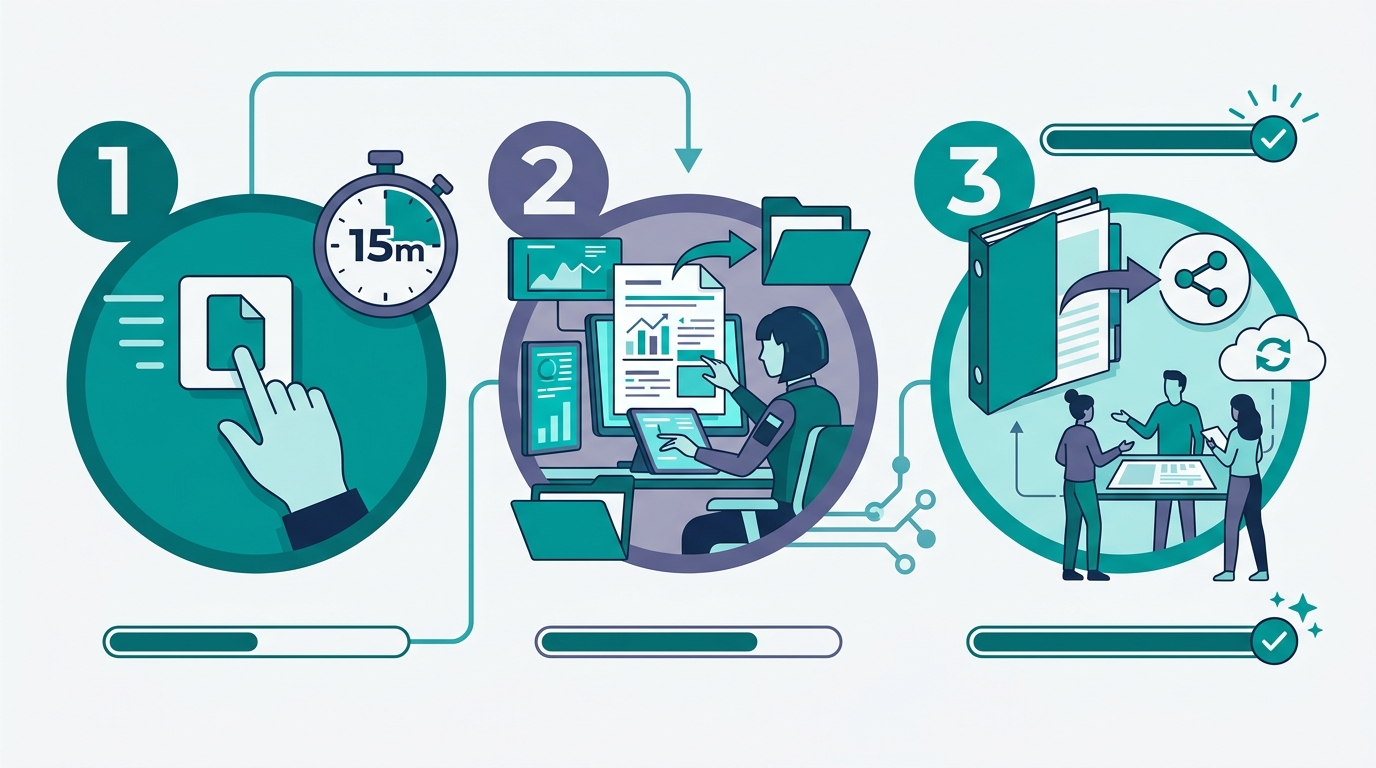
“OK, so what do I actually do?” If you’ve made it this far, that’s probably the honest question.
Even if you’re not an engineer, there are three things you can do this week.
1. Create an Anthropic account and open the Managed Agents documentation. It’s in public beta, so you can touch it right now (Claude Platform docs). You don’t need to understand all of it. Just skim the list of “what it can do” and you’ll spot points that look applicable to your own work. About 15 minutes.
2. List three “repetitive tasks” within your team. Weekly reports, sending standard emails, aggregating data. What agents are good at are tasks with clear rules that come up repeatedly. Write down three things where you find yourself thinking, “I do this the same way every time.”
The trick when listing them is to ask whether you could write a procedure for it. If you can write a procedure → the rules are clear → you can hand it to an agent. Tasks where you can’t write a procedure are the ones that need human judgment. Drawing this line is the first step in adoption. About 10 minutes.
3. Share the name “Managed Agents” with the engineers in your company. Non-engineers may not need to hit the API directly themselves. But just letting your engineering team know this service exists can suddenly get the conversation moving. If you add “apparently Rakuten got it into production in a week,” they’re likely to take interest. About 5 minutes.
When you share, the key is to add: “Where in our work do you think we could use this?” Engineers see the technical possibilities broadly. When the business side communicates concrete use cases — “I want to use it here” — judgments about feasibility get much faster.
Total: 30 minutes. That’s all it takes to start your first step toward adopting AI agents.
In Summary: Now Is the Time to Be on the “Trying It” Side
Let’s recap.
- The MIT study (August 2025) found 95% of enterprise AI pilots fail to scale. The cause isn’t AI performance — it’s the infrastructure wall
- Anthropic announced Claude Managed Agents in public beta on April 8. Anthropic takes on the entire infrastructure
- Rakuten went into production in one week. Notion and Asana have already integrated it into existing workflows as of April 2026
- Pricing is $0.08/hour for infrastructure (~12 yen) + usage-based API charges
- A two-player landscape with NVIDIA Agent Toolkit is taking shape, allowing you to pick the right tool for the job
Flip the MIT finding around: 5% are succeeding.
What separated that 5% from the other 95% was the infrastructure wall. Server setup, security design, guarantees for long-running workloads. Only companies that could prepare the technical foundation themselves got to move forward.
Claude Managed Agents is trying to remove that wall.
$0.08/hour for infrastructure. The ease of defining agents in natural language. Rakuten’s track record of going to production in one week. The “95% wall” the MIT study identified should drop substantially with the arrival of this service.
The “40% by year-end” world Gartner predicts has already begun.
Turning AI agents from “something we’ll use someday” into “something we touch this week.” That, I think, is the essence of Managed Agents.
Now that the two-player landscape with NVIDIA Agent Toolkit is in view, the question has shifted from “which one to use” to “when to start.”
The answer is this week.
I’ve started touching Managed Agents myself. I’m exploring what happens if I migrate my own autonomous workflow onto it. Once I have results, I plan to share them as a follow-up to this article.
Let’s do this together. Starting from opening an account.
References:
- Anthropic official blog: Claude Managed Agents (April 8, 2026)
- SiliconANGLE: Anthropic launches Claude Managed Agents (April 8, 2026)
- Fortune: MIT report 95% of AI pilots failing (August 2025)
- Gartner: 40% of enterprise apps will feature AI agents by 2026 (August 2025)
- Claude Platform documentation: Managed Agents overview
- FindSkill.ai: Claude Managed Agents Explained
- The New Stack: Anthropic wants to run your AI agents for you
- NVIDIA official: NVIDIA and Partners Advance Enterprise AI Agents

AIを使いこなせない方は、この先どんどん差がつきます。僕はAIエージェントを毎日動かして、壊して、直して、また動かしてます。そういう泥臭い実践の記録をここに書いてます。理論は他の方にお任せしました。僕は動くものを作ります。朝5時に起きてウォーキングしてからコードを書くのがルーティンです。